


Brake safety remains the most critical operating guarantee for heavy trucks, trailers, and engineering vehicles during long-distance transportation, mountain road driving, and high-load continuous operation. Most vehicle owners only pay attention to surface brake failures such as weak braking and abnormal noise, but ignore the internal aging, air leakage, and structural fatigue of brake chambers, which are the root causes of sudden brake failure on the road. Unqualified and worn brake chambers directly shorten the service life of the entire braking system, increase frequent maintenance costs, and bring unpredictable driving safety hazards under complex road conditions. Choosing high-performance, durable heavy-duty truck brake chambers can fundamentally avoid hidden dangers that ordinary accessories cannot handle.
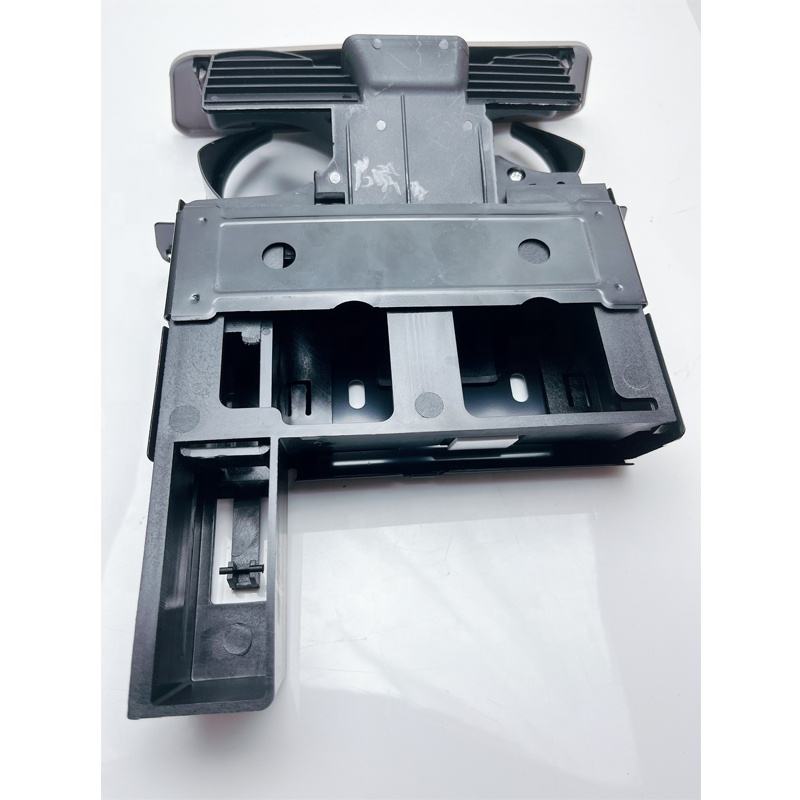
Many fleet managers and individual drivers misunderstand brake chamber functions, believing that all air brake chambers have identical working performance and service life. In actual use, inferior brake chambers have thin diaphragms, loose sealing structures, and poor pressure resistance, which lead to slow brake response, incomplete brake release, and wheel hub overheating. These invisible problems gradually worsen with driving mileage, eventually triggering brake locking, tire burnout, and even major traffic accidents. Professional supporting manufacturers like Luosen Auto Parts optimize material formulas and structural designs according to harsh domestic and international road operation standards, making products adapt to extreme low temperature, high temperature, heavy load and frequent braking environments.
Long-time continuous braking on downhill sections puts huge instantaneous pressure on vehicle brake air chambers. Ordinary brake diaphragms are prone to cracking, deformation and air leakage after repeated high-pressure impact, resulting in reduced braking force and extended braking distance. Drivers often attribute such problems to insufficient air pump pressure or brake oil abnormalities, wasting plenty of time on unnecessary inspections and part replacement. In fact, the core fault lies in the low wear resistance and fatigue resistance of brake chamber internal components. High-strength integrated brake chambers maintain stable air pressure output for a long time, effectively controlling braking distance and avoiding thermal decay failures that threaten driving safety.
Vehicle brake chamber air leakage is the most frequent fault encountered in daily vehicle maintenance. External tiny air leakage is easy to detect and repair, while internal air leakage inside the chamber is concealed and difficult to find. Slow internal air leakage will cause continuous consumption of vehicle air supply, frequent start of air compressor, increased fuel consumption, and gradual degradation of braking sensitivity. Once driving at high speed or emergency braking, the system cannot provide enough instantaneous air pressure, leading to uncontrollable vehicle conditions. Matching standard heavy-duty brake chambers adopt multi-layer precise sealing technology, which greatly reduces the probability of internal and external air leakage faults.
Irregular replacement cycles and mismatched model selection also cause massive premature damage to brake chambers. A large number of users blindly install universal brake chambers regardless of vehicle tonnage, axle type and braking configuration, resulting in mismatched air pressure matching parameters. Improper matching will accelerate diaphragm damage, damage push rod bearings, and cause eccentric wear of brake drums. Reasonable model matching, standardized installation and regular preventive inspection can double the overall service life of braking accessories and reduce overall vehicle operation and maintenance expenditure year by year.
Common Brake Chamber Faults, Root Causes & Effective Solutions
| Fault Phenomenon | Deep Underlying Causes | Practical Maintenance & Replacement Solutions |
|---|---|---|
| Slow brake response | Aging diaphragm, insufficient air tightness, loose air pipe connection | Replace high-density rubber diaphragm brake chamber, tighten pipeline joints and test air pressure sealing |
| Wheel hub overheating & burning tires | Incomplete brake return, deformed push rod, internal structural jamming | Choose precision return spring brake chambers, clean internal impurities and adjust brake clearance |
| Persistent air leakage | Poor sealing rubber quality, cracked shell, damaged air nozzle interface | Adopt integral sealed brake chamber products, avoid low-cost inferior accessories with rough workmanship |
| Short service life under heavy load | Low-pressure resistant material, thin wall thickness, unoptimized stress structure | Install heavy-load special brake chambers designed for large tonnage commercial vehicles |
| Abnormal noise during braking | Loose internal parts, mismatched assembly precision, worn connecting shaft | Select factory precision assembled finished brake chambers without secondary disassembly |
The working environment of commercial vehicles is far harsher than ordinary passenger cars. Frequent start-stop, bumpy road surfaces, dust erosion and temperature drastic changes all accelerate the aging of brake chamber rubber parts and metal structures. Cheap recycled material brake chambers cannot resist ultraviolet aging, oil corrosion and dust intrusion, and their performance drops sharply after short-term use. High-quality brake chambers adopt corrosion-resistant alloy shells and high-performance composite rubber diaphragms, maintaining stable performance in dusty, humid, high-temperature and cold outdoor environments for a long time.
Fleet comprehensive operating costs include vehicle maintenance, tire consumption, fuel consumption and accident loss. Faulty brake chambers indirectly increase tire wear and fuel consumption, and potential safety accidents will bring huge economic losses and liability risks. Upgrading reliable brake chamber accessories is not unnecessary cost investment, but cost-saving maintenance management for long-term vehicle operation. Stable braking performance reduces frequent braking losses, protects matching brake drums, brake shoes and other accessories, and optimizes the overall operating efficiency of the whole vehicle.
Most after-sales maintenance problems of braking systems originate from substandard supporting brake chambers rather than improper driving operation. Choosing qualified, model-matched and structurally optimized brake chambers can reduce daily maintenance frequency, shorten vehicle downtime, and ensure stable operation of freight and engineering vehicles. Scientific brake system maintenance logic focuses on preventing hidden dangers in advance rather than repairing faults after accidents, which is the core principle to ensure safe driving and efficient operation of heavy-duty vehicles.